Growing Up Basque American
This is Part 2 of a three-part series. Part 1: The Crossing • Part 3: Reclaiming Citizenship
Listen while you read
The unofficial Basque national anthem, sung at every picnic, festival, and gathering.
Green for hope — the Tree of Gernika and traditions that endure
The Chino Basque Festival
Chino Basque Festival 2016. Video via Champion Newspapers.
Every year, Basque families from across Southern California gather in Chino for a picnic. It’s been happening for decades. Kids run around, the older generation plays mus (a Basque card game), and everyone eats too much.
The Chino Basque Festival is organized by the Chino Basque Club and part of NABO (North American Basque Organizations). Every August, families gather at the Chino Fairgrounds. Saturday has chistera (pelota) matches. Sunday is the main picnic: morning mass, barbecued lamb and txilindron lunch, dancers, klika music.
The food is heavy. Lekainka (blood sausage), lamb, chicken, beans, bread. Everything served family-style at long tables.
My father was a Basque dancer. I don’t have footage of him, but the video above gives you the idea. Traditional Basque dance is athletic and precise: lots of jumping, intricate footwork, white clothes, red sash. Growing up, I watched him perform at picnics and celebrations. I never learned the dances myself, but it’s one of the ways the culture gets passed down.
Mus: The Card Game
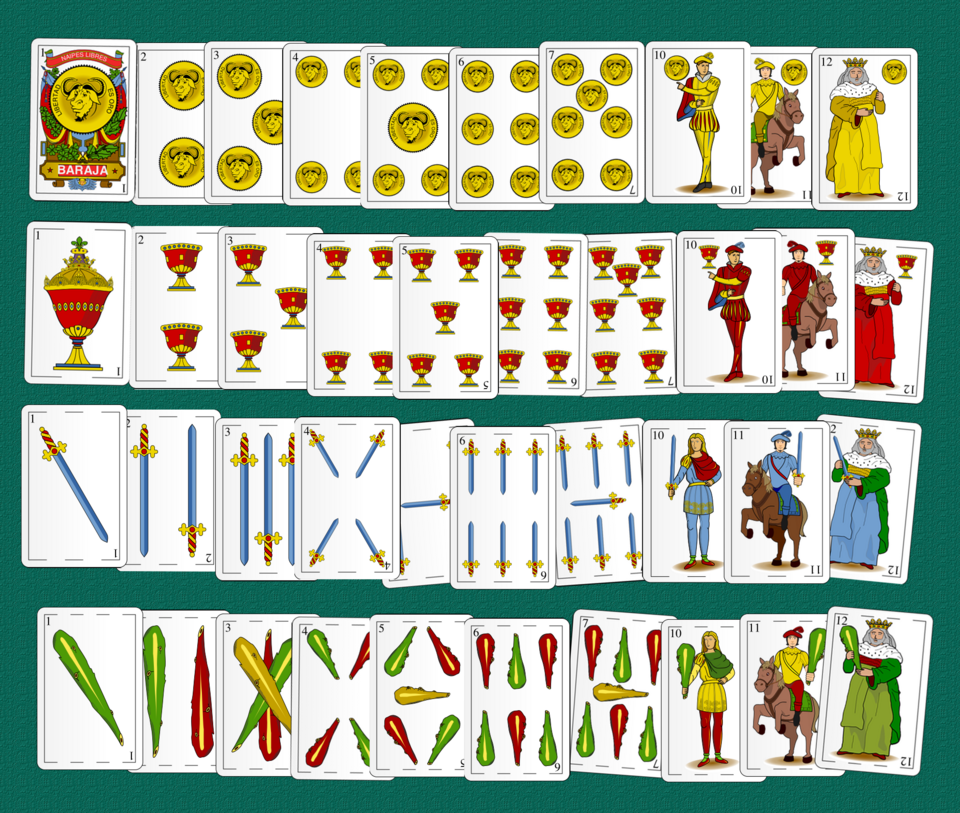
Spanish 40-card deck (baraja española) used in mus. Photo via Wikimedia Commons (Public Domain).

At every picnic, people play mus, a Basque card game with bluffing elements. It’s been played in the Basque Country for centuries.
Mus uses a Spanish 40-card deck. Players form pairs and make bets on four different hands: grande (highest cards), chica (lowest cards), pares (pairs), and juego (points). The game combines poker-style bluffing with complex signal systems between partners. Hand gestures and facial expressions communicate information: biting your lip means you have a pair, pursing your lips signals three of a kind. The boldest move is hordago (“there it is”), betting the entire game on a single hand.
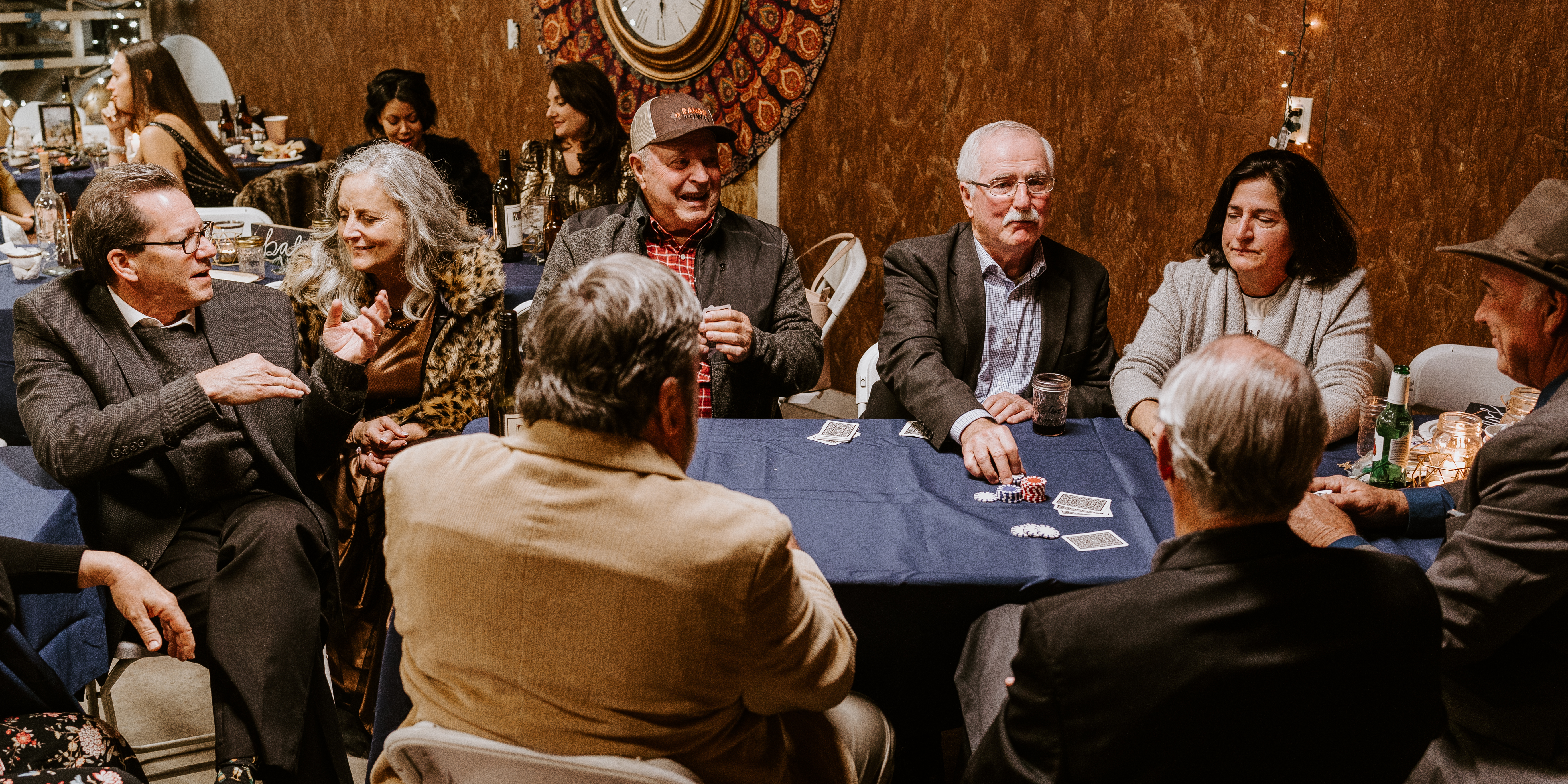
My uncles playing mus at our wedding reception, Changala Winery, 2019.
In college, I wrote a probability simulation for mus hands in C++. Heritage and computation in the same place.
The Diaspora Network
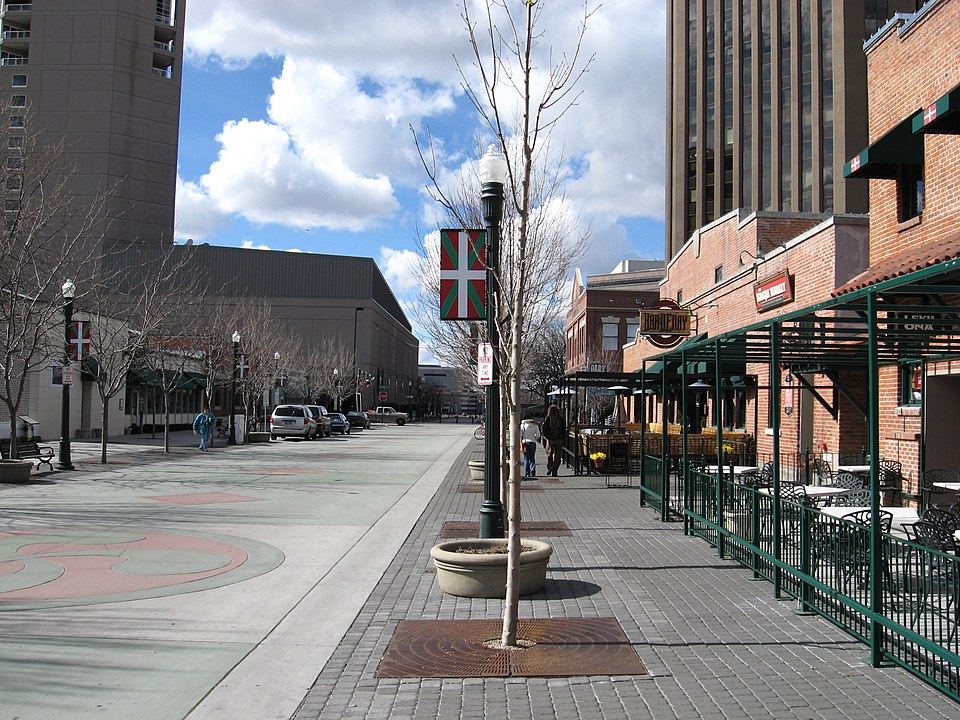
The Basque Block in downtown Boise, Idaho, heart of the largest Basque community in the United States. Photo via Wikimedia Commons (CC BY-SA 3.0).

I’ve always wanted to go to the Jaialdi festival in Boise, Idaho, the largest Basque festival in the United States. Boise has one of the biggest Basque communities outside of Europe. Every five years, tens of thousands gather. Someday I’ll make it.
And someday I want to visit the Basque Country itself. Find the Changala and Jaureguy family houses. Walk the same mountains my great-grandparents left over a century ago.
Soundtrack: Gernikako Arbola (The Tree of Gernika)
Resources
- NABO — North American Basque Organizations
- Jaialdi Festival — Boise, Idaho (every 5 years)
- Jon Bilbao Basque Library — University of Nevada, Reno
- Basque Museum & Cultural Center — Boise, Idaho
Next: Part 3: Reclaiming Citizenship — Changala Winery, the citizenship sprint, and why it matters
Discussion
Sign in with GitHub to comment
Loading comments...