Reclaiming Citizenship: A One-Month Sprint
This is Part 3 of a three-part series. Part 1: The Crossing • Part 2: Growing Up Basque American
Listen while you read
Manu Chao’s mother is Basque, and his family left Franco’s Spain for France.
White for renewal — a new beginning, citizenship reclaimed
In September 2024, I found out about Spain’s Democratic Memory Law at a family reunion. By October 20th, my self-imposed deadline before the original two-year window closed (later extended to October 2025), I had submitted citizenship applications for my family of four and my uncle’s family of five. Nine new vascos in one month, while finishing my PhD.
The Law
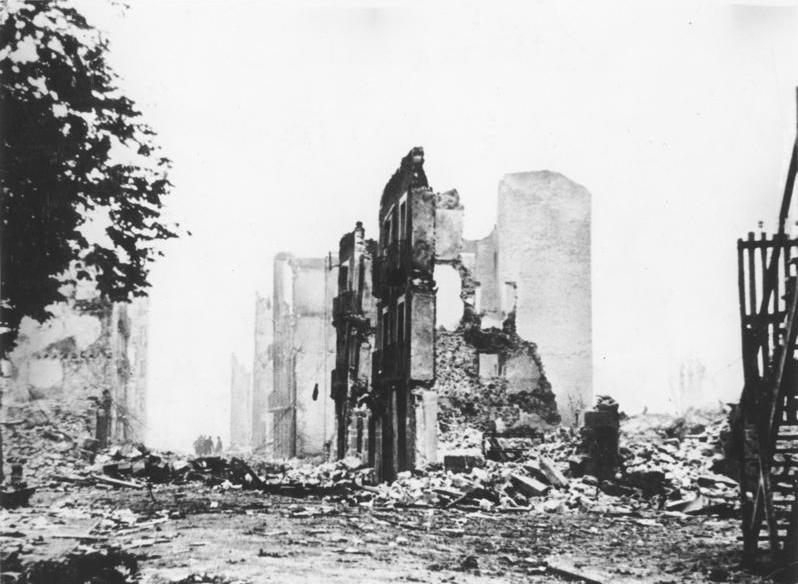
Guernica in ruins after the Nazi Condor Legion bombing, April 26, 1937. The attack killed hundreds of civilians and inspired Picasso’s famous anti-war painting. Photo: Bundesarchiv via Wikimedia Commons (CC BY-SA 3.0 DE).
Spain’s Law of Democratic Memory (Ley 20/2022) created a pathway to Spanish nationality for certain descendants of Spaniards affected by exile and related historical injustices, including the Franco dictatorship that drove many Basques and others out of Spain.
The Basques suffered immensely under Franco. The bombing of Guernica in 1937, when German Luftwaffe pilots from the Condor Legion supported Franco’s Nationalist forces, killed hundreds of civilians (estimates vary) and became a symbol of fascist brutality. Euskara was suppressed—pushed out of schools and official life—under Franco. Cultural expression was suppressed. Many fled. The Democratic Memory Law acknowledges this history and offers a path back for their descendants.
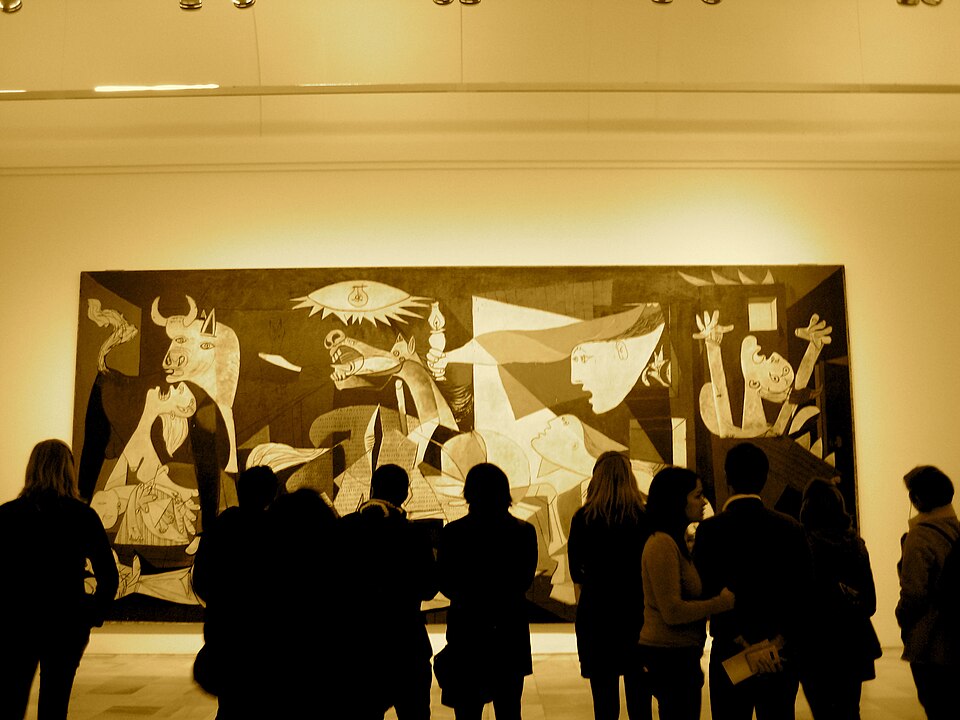
Guernica (1937) by Pablo Picasso, painted in response to the bombing. Artwork © Succession Picasso / DACS. Reproduction for commentary.
The key was proving Pedro never naturalized as a US citizen during his children’s births. If he had, the citizenship chain would break. The consulate wanted evidence he remained a non-citizen through the births, so we built a paper trail across draft registrations, census records, and death certificates, each one listing him as a non-citizen.
| Year | Event | Documentation |
|---|---|---|
| 1883 | Born in Spanish Basque Country | Birth record |
| 1904 | Arrived in USA (age 21) | Immigration records |
| 1917-1918 | WWI Draft Registration | Non-citizen |
| 1920 | U.S. Census | Non-citizen |
| 1930 | U.S. Census | Non-citizen |
| 1939 | Death | Death certificate |
He raised 12 children while maintaining his immigrant status. All of them were “españoles de origen” at birth. That’s the legal basis for the claim.
Changala Winery
Pedro Changala’s daughter Mary Changala is my grandmother. The Changala family still gathers, and my uncle Jean Changala runs Changala Winery in Paso Robles. Thanks Jean and Heidi!
We got married there on New Year’s Eve 2019. My great uncle sang Basque songs at the reception. I played bass and sang for about an hour with my wife, my brother, and our friend Chris on drums.
A few months later, COVID shut everything down. The timing was lucky.
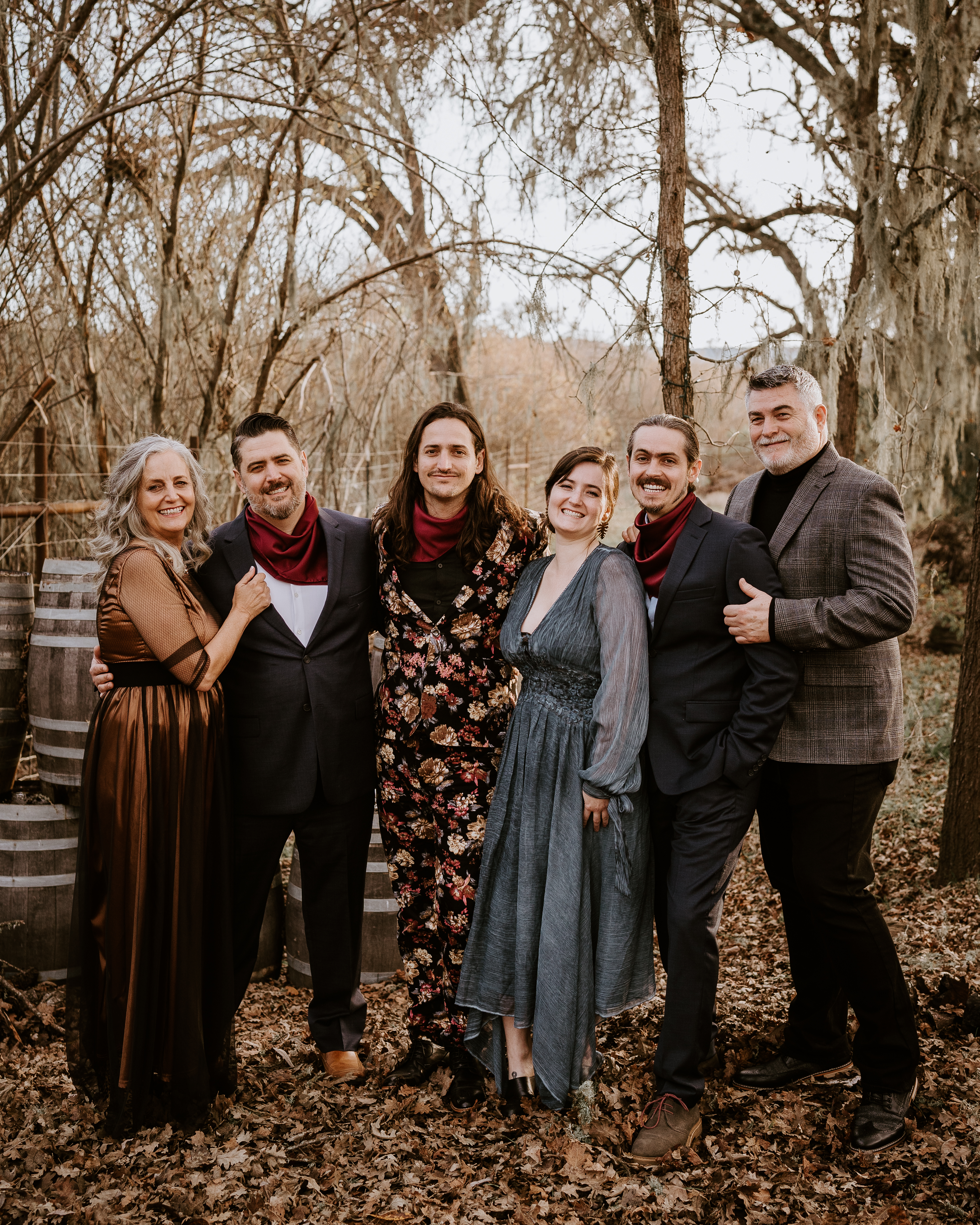
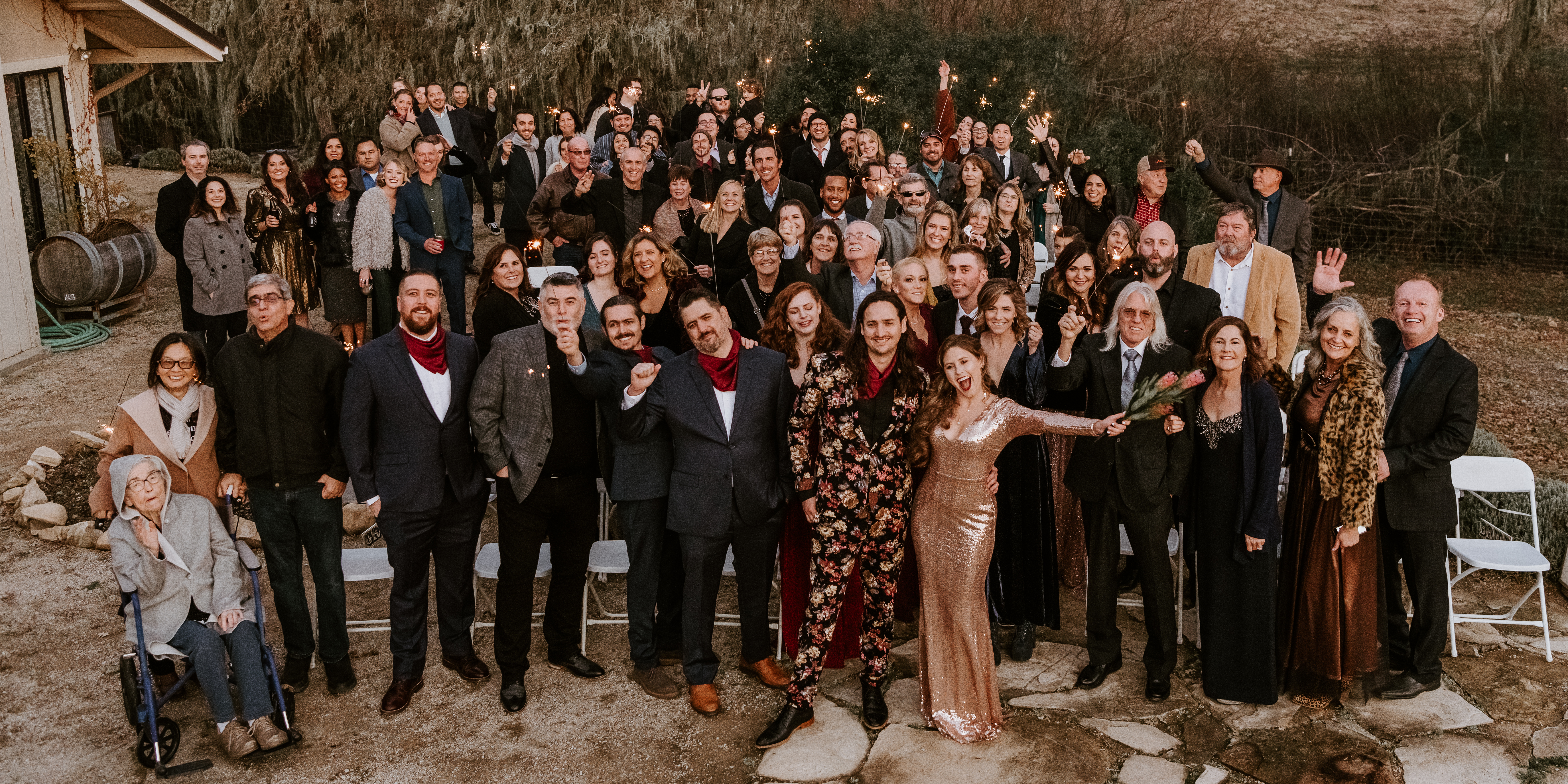
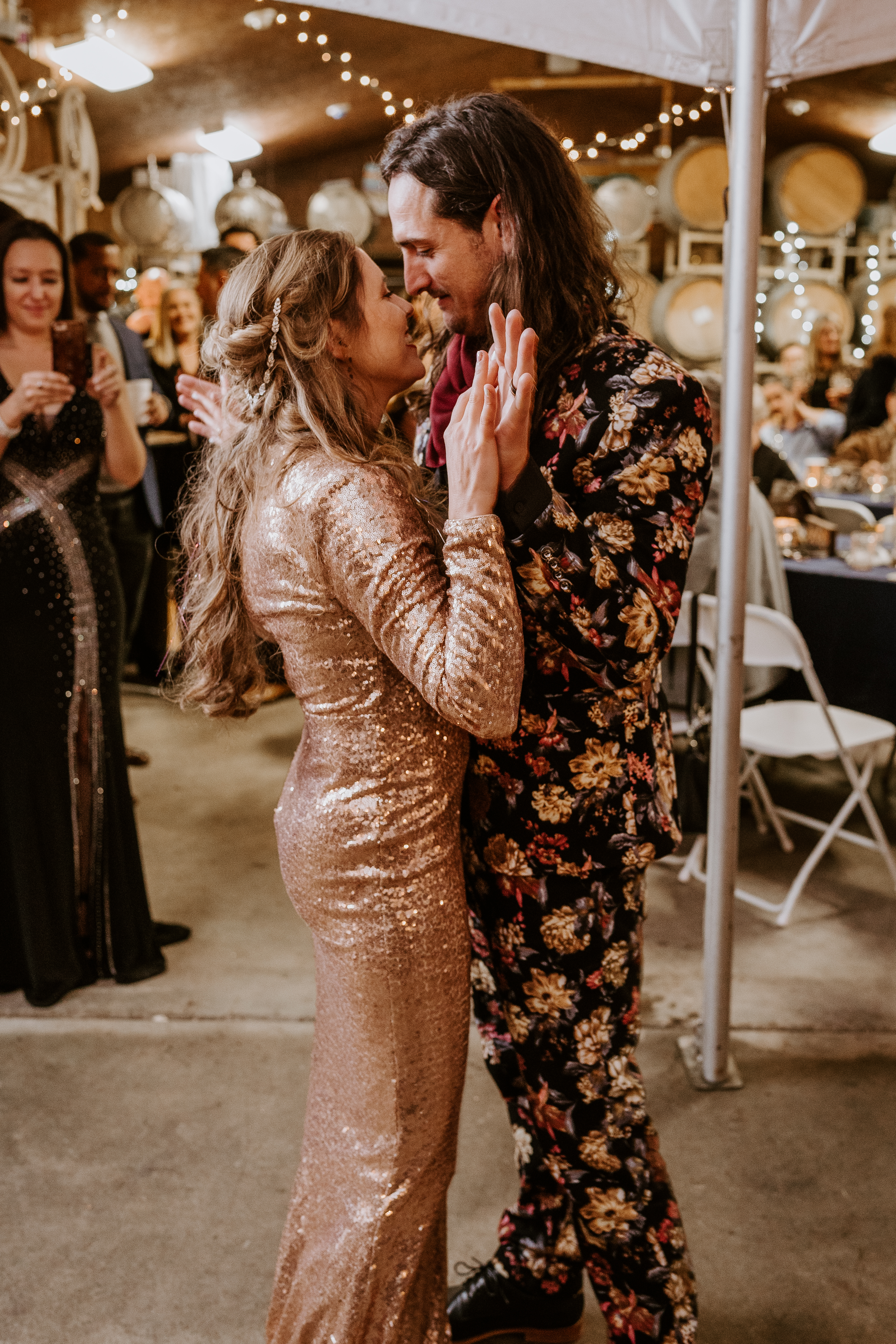
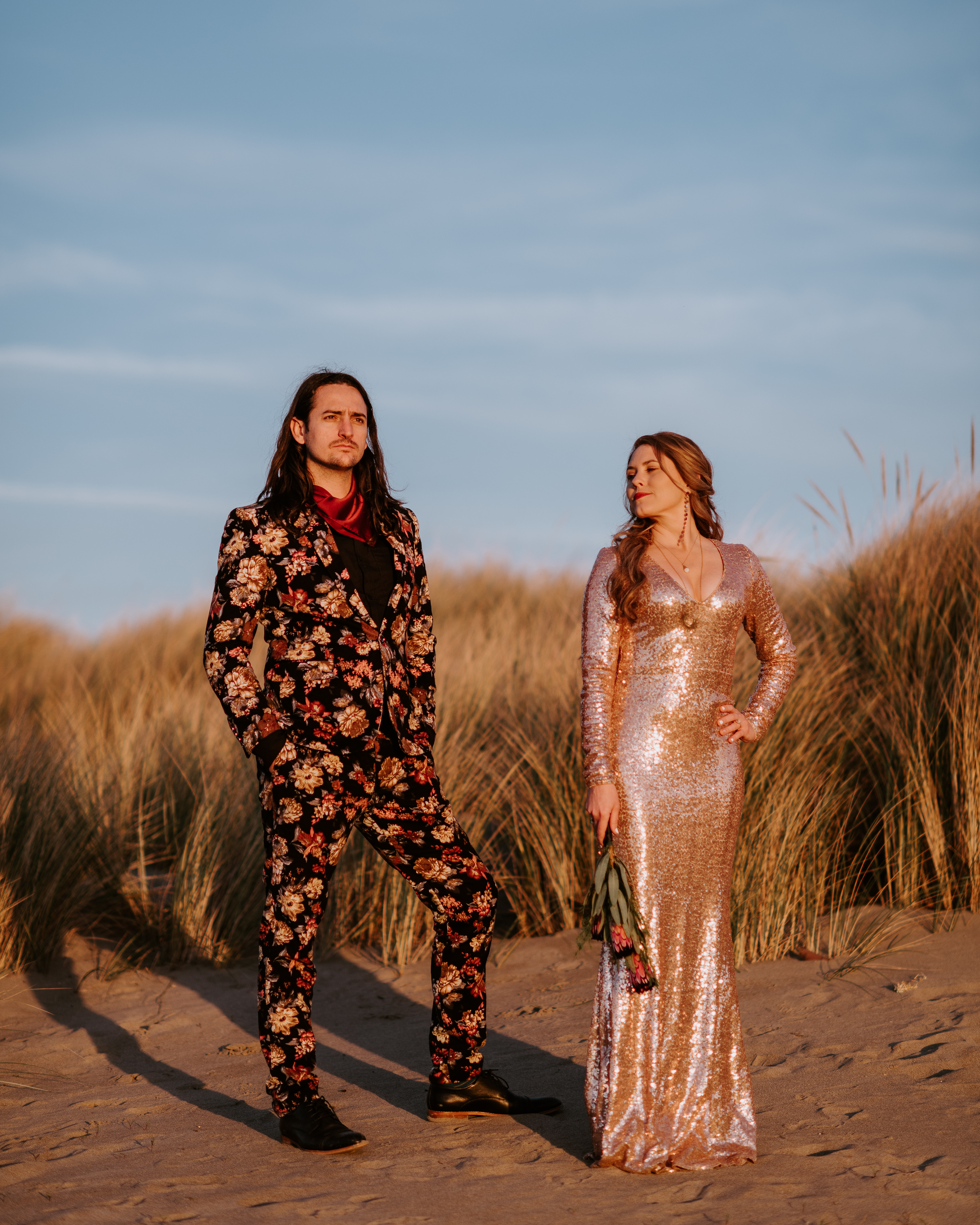
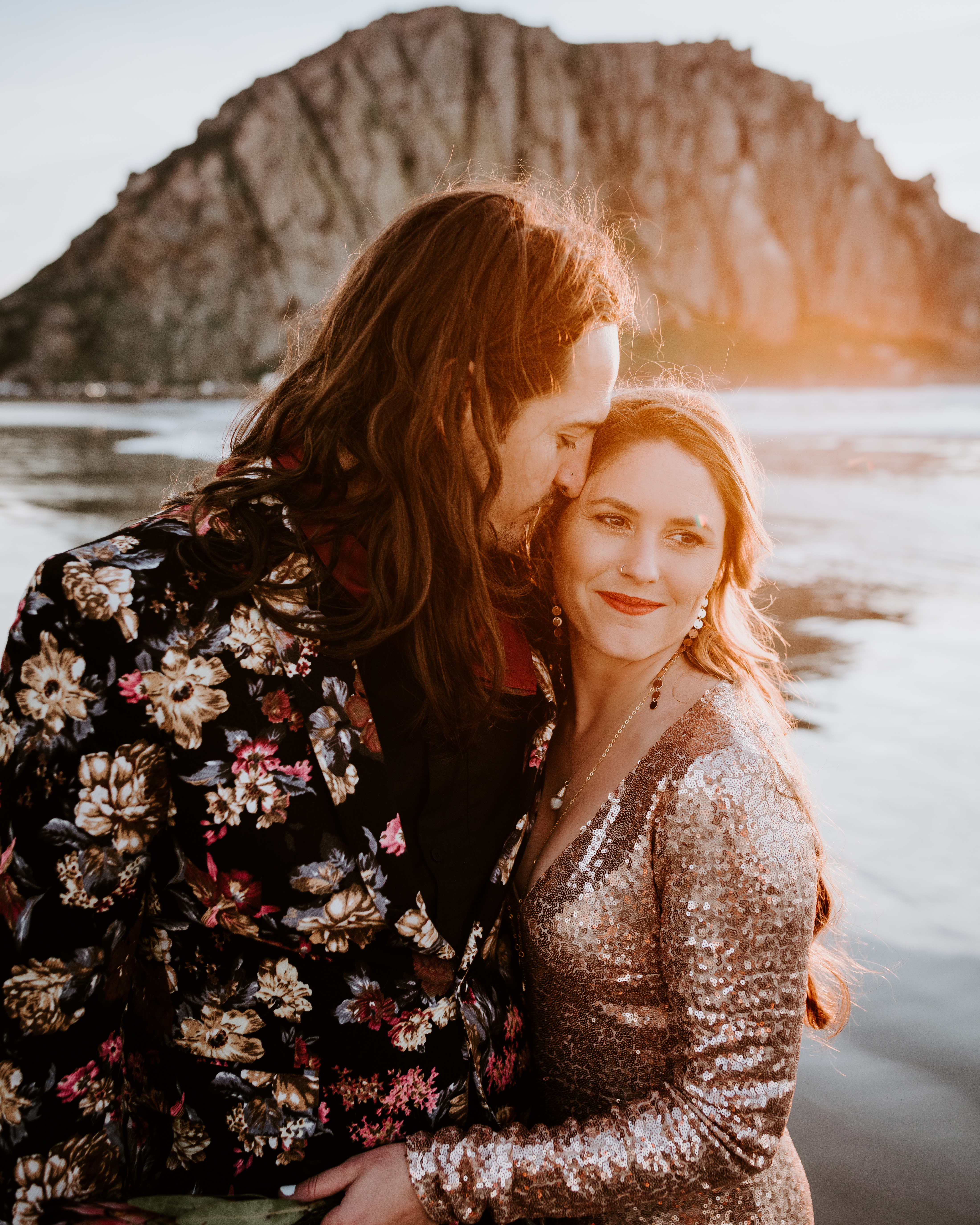
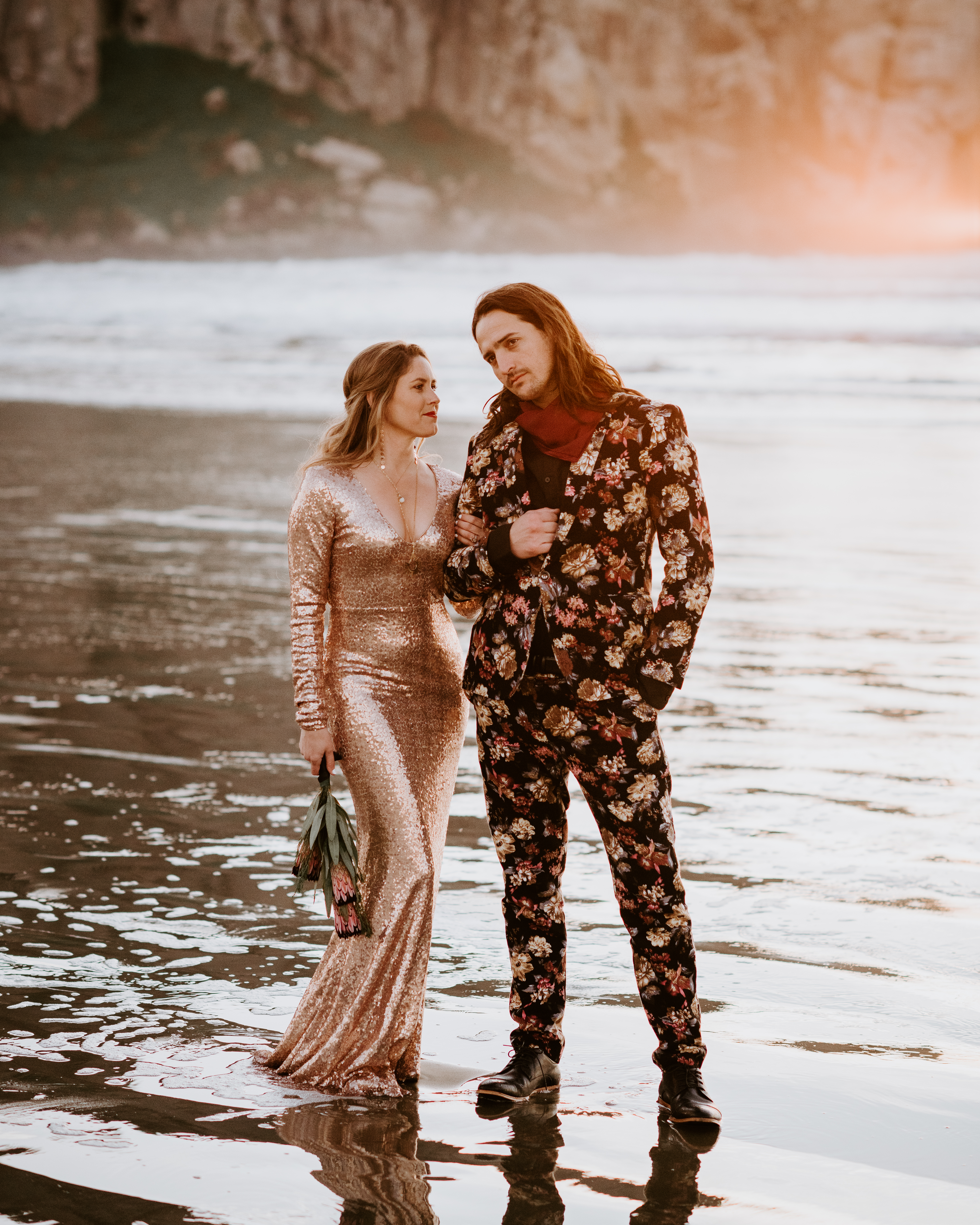
Our wedding at Changala Winery, New Year's Eve 2019
The Sprint
Learning the Spanish consular system while writing a dissertation is not recommended. My brain processed the month like a terminal session:
Why It Matters
This isn’t just about a passport. It’s about formally reconnecting with where we came from.
My great-grandfather left the Basque Country 120 years ago. His descendants scattered across California, raised families, built wineries, became scientists. We kept the names, Changala and Jaureguy, and some of the traditions, but lost the legal connection to the land.
The Democratic Memory Law is Spain’s way of saying: you’re still ours if you want to be. I said yes.
What It Means Now
I’m not a fluent Euskara speaker. I’ve never lived in the Basque Country. By most measures I’m just another Californian.
But I know what lekainka tastes like. I know the card games and the dances. I show up to the reunions. The Changala and Jaureguy families still gather: at the winery in Paso Robles, at the Chino picnic, at weddings and funerals.
Being Basque American is about maintenance. You keep showing up. You keep the names. You pass down what you can, even if it’s incomplete. The paperwork matters, but the real citizenship is the maintenance. Life is like mus. I’m all in. Hordago!
Soundtrack
On repeat while writing this.
Resources
Note: This is my personal experience, not legal advice. Requirements vary by consulate. Always check with your local Spanish consulate for current deadlines and documentation requirements.
Update: The general application window closed Oct 22, 2025 (though some consulates may still accept submissions tied to pre-requested appointments).
Citizenship
- Democratic Memory Law Forms — Spanish Ministry of Justice
Genealogy
- Bridge2Pyrenees — Basque genealogy database
Image credits: All Wikimedia Commons images used under Creative Commons licenses (CC BY-SA 3.0, CC BY-SA 4.0, CC BY 2.0) or Public Domain. Family photos from Jaureguy/Changala collection.
Discussion
Sign in with GitHub to comment
Loading comments...